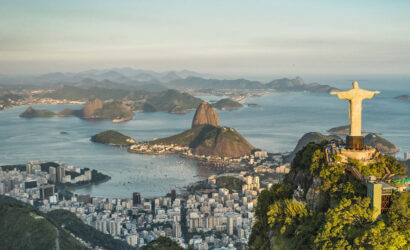
Checkout our latest trip plan for South America!!!
From the mountains to the sea, join us for more fun in the Philippines!
MAY 2026 SCHEDULE
🗓️ May 29- 30: Mt Apo 📍Mindanao
Welcome to the Philippines
A land of 7,641 islands where the warmth of the sun is only rivalled by the legendary hospitality of its people. As you plan your dream tropical getaway with us, we want to ensure your journey is as seamless as possible, starting with a clear understanding of how to navigate the local currency and payment landscape.
The Heart of Local Trade: The Philippine Peso
The official currency of the archipelago is the Philippine Peso (PHP/₱). From the bustling markets of Manila to the serene white sands of Boracay, the Peso is the lifeblood of local commerce. When you are buying a cold halo-halo from a street vendor, riding a colourful jeepney, or purchasing handcrafted souvenirs in a provincial village, the Peso is the only currency accepted.
We highly recommend that travellers keep a supply of local banknotes and coins on hand. While major cities are well-equipped with ATMs and credit card facilities, the true charm of the Philippines often lies in its remote hidden gems—secluded lagoons and mountain retreats—where cash in Pesos remains king.
The Role of the US Dolla
While the Peso is the daily standard, the US Dollar (USD) plays a vital supporting role as the primary international currency. In the Philippine travel industry, you will often see major expenses—such as luxury resort stays, international flight bookings, and high-end diving expeditions—quoted in US Dollars.
Because of its global stability, the USD is widely recognized. Many high-end establishments and tour operators may accept direct payment in Dollars, and it is the easiest currency to exchange at competitive rates across the country. If you are carrying foreign cash as a backup, the US Dollar is undoubtedly your most versatile option.
Using Other International Currencies
The Philippines is a global destination, and we warmly welcome travellers from every corner of the world. Whether you are carrying Euros, British Pounds, Australian Dollars, or Japanese Yen, you will find money changers in airports and major commercial hubs ready to assist you.
It is important to note that while these currencies are easily exchanged, they are not typically used for direct "over-the-counter" transactions. If you choose to book a tour or service using a non-PHP currency, the amount will normally be converted to Philippine Pesos based on the prevailing daily exchange rate at the time the transaction is completed. This ensures that local taxes and service fees are processed accurately within the Philippine banking system.
Travel Tip: Exchange and Payments
To get the best value for your money, we suggest exchanging a portion of your funds into Pesos upon arrival at the airport or at reputable "Money Changer" booths in shopping malls, which often offer better rates than hotels. For larger expenses, most hotels and established tour operators accept major credit cards (Visa and Mastercard), though a small transaction fee may apply.
At our agency, we strive to make your financial transitions as smooth as your island hopping. Whether you’re paying in Pesos or settling a large booking in Dollars, our goal is to get the logistics out of the way so you can focus on what really matters: creating unforgettable memories in paradise.